A Cozy Snowman Head Embroidery Design for Practical Holiday Projects
The Warm, Nostalgic First Impression
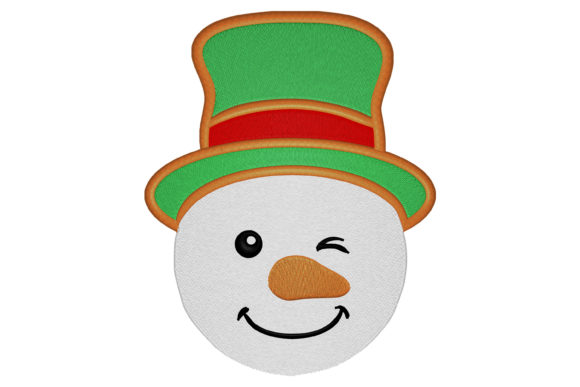
Opening this Snowman Head design file, the immediate feeling is one of classic, cozy holiday cheer. It’s not overly cartoonish or aggressive in its festivity—it has a gentle, welcoming personality. The shape is a classic, well-proportioned snowman head, likely focusing on the iconic features: eyes, a smiling mouth, and that quintessential carrot nose. The layout feels balanced, suggesting it will stitch out cleanly without awkward, empty spaces or overly dense areas that could cause puckering. This isn’t a hyper-detailed, realistic portrait; it’s a friendly, decorative motif that speaks directly to handmade charm.
This design naturally belongs to projects where warmth and personal touch are paramount. Imagine it on the corner of a linen pillow cover in a cozy living room, or centered on a soft cotton baby blanket. It’s the kind of image that makes a product feel like a gift, even if it’s being sold in a small shop. For an Etsy seller or craft business owner, this visual personality translates into a product that customers connect with emotionally—it’s familiar, sweet, and uncomplicated.
Where This Snowman Head Really Shines in Real Projects
Let’s talk about a real scenario. I’m considering this for a last-minute holiday order: a custom embroidered tote bag for a client’s gift-giving. The bag is a sturdy canvas. My immediate thought is that this Snowman Head will be perfect. Its likely composition—a mix of fill stitch for the body and satin stitch details for facial features—means it will have solid visual presence without being too heavy for the fabric. On a sweatshirt or hoodie, positioned on the chest or sleeve, it would become a subtle, wearable holiday statement rather than a loud declaration.
For baby embroidery on a romper or a nursery decor item like a tea towel, its friendly aesthetic is ideal. It’s not intimidating or too busy for small items. As a embroidered patch, it could be applied to a denim jacket or cap, offering a reusable holiday accent. In a craft fair setting, a series of kitchen towels each bearing this snowman would create a cohesive, attractive product line that’s easy for customers to visualize using.
The value here for apparel decorators and creative entrepreneurs is in its versatility across product types. From personalized gifts to small shop merchandise, the design acts as a reliable, festive design asset. It enhances the handmade presentation by being clearly embroidered, not just printed, adding a layer of tactile quality that buyers often seek. It boosts giftability and recognition instantly—people see a snowman and understand the context without explanation.
Careful Considerations: Where to Use (and Where to Pause)
This is a confident, medium-scale design, but like any machine embroidery design, it requires thoughtful application. On very small items, like the curved surface of a tight-fitting cap, you’d need to check the hoop size compatibility and ensure the design’s width doesn’t get distorted. The potential for dense stitch areas, perhaps in the snowman’s body fill, means on thin or stretchy fabric like a fine t-shirt, stabilizer choice is critical to prevent warping.
Dark fabric presents an interesting choice. The snowman is white, so using a bright white thread on a black sweatshirt could create a stunning, high-contrast look, but it also makes every stitch flaw more visible. It would be a bold, modern take on a classic design. On textured fabrics like a sweater, the stitch clarity of finer details (like the mouth or eyes) might soften, which could actually add to a rustic charm depending on the desired effect. For products destined for frequent washing, like aprons or towels, ensuring the stitch density is not so high that it stiffens the fabric is key for longevity.
The Professional Designer’s On-Screen and On-Fabric Checklist
Before I run this embroidery file for a client project, my practical routine kicks in. First, I always stitch it out on scrap fabric of the same type I plan to use—a canvas scrap for the tote bag, a cotton knit scrap for the sweatshirt. This isn’t just about testing machine compatibility; it’s about seeing how the thread colors interact. Does the white look clean? Do the accent colors for the nose or hat pop sufficiently? I inspect the small details in the stitched sample: are any corners too tight, causing thread breaks? Is the stitch density balanced?
I also check it in black and white digital mockups to understand its form without color, which helps visualize it on both light and dark backgrounds. This is crucial for creating accurate printable mockups for my online shop listings. A critical, often-overlooked step is confirming the licensing. The description mentions it comes with multiple formats, but I must verify whether my use—selling the finished tote bag or offering custom apparel as a service—is covered under the included license. This protects my customer trust and professionalism.
For digital product sellers who might be including this design in a bundle, understanding its actual stitched behavior is vital for providing accurate notes to your buyers. Telling them “test on scrap fabric first” or “ideal for mid-weight fabrics” adds immense practical value and builds your brand as an expert resource.
Final Judgment: A Design That Builds Holiday Business
This Snowman Head design, from a professional’s standpoint, is a solid, workhorse holiday asset. It doesn’t try to do too much, which is often its greatest strength. It provides a clear, emotionally resonant image that translates well across a range of embroidery projects. Its success in a real commercial embroidery setting hinges not on flashy complexity, but on its reliability and the cozy mood it effortlessly creates.
When a customer sees this snowman on a pillow or a child’s sweatshirt, they’re seeing a symbol of gentle holiday spirit. For the maker, it’s a design that, with proper preparation and testing, stitches out cleanly, minimizes production headaches, and results in a finished product that looks deliberate and well-made. It supports brand consistency if you’re building a holiday collection, and it engages buyers because it’s universally understood and appreciated.
My advice is to lean into its nostalgic strength. Pair it with simple, quality materials. Let it be the cheerful accent on a well-crafted item. And always, always run that test stitch first—it’s the difference between a hopeful project and a confidently executed one, whether for a personalized gift or your next bestselling Etsy listing.