Boo Hoo Scary Ghost: An Embroiderer's Practical Review
As someone who stitches for clients, for my small shop, and for pure creative joy, I’m always looking at designs with a practical eye. The first question isn’t just "Is this cute?" but "How will this actually perform on fabric?" and "What kind of project does this truly belong to?" So, let’s put Boo Hoo Scary Ghost under that microscope.
The Personality: Playful Spookiness with a Clear Project Fit
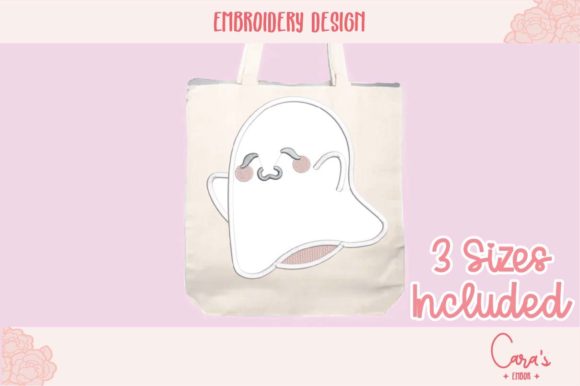
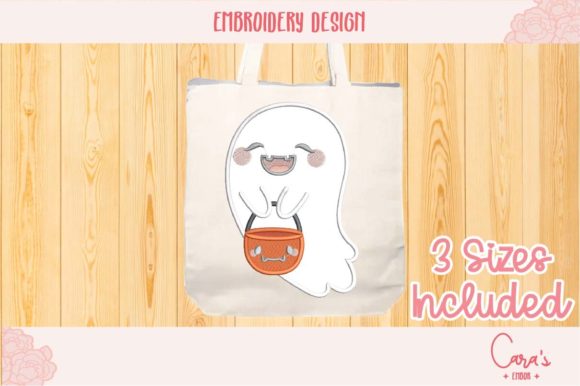
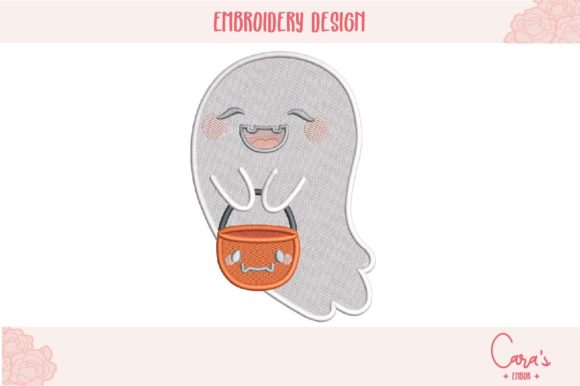
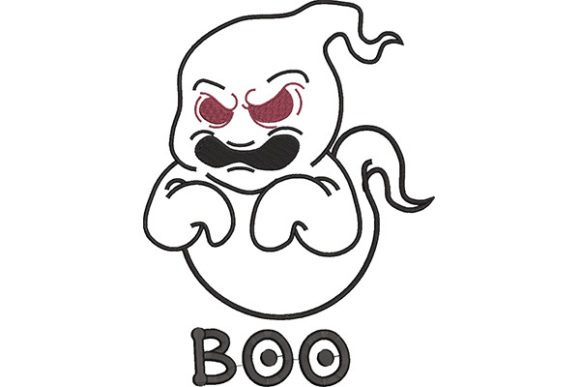
Right away, this design strikes a specific mood. It’s not a terrifying horror ghost; it’s a friendly, almost cartoonish specter with a clear "boo hoo" personality. The layout and detail level suggest a focus on character, not on dense, intricate shading. This tells me it’s a design meant to be recognizable and charming, not hyper-realistic. That visual personality immediately points me toward certain projects. I’m thinking custom apparel for kids or adults who enjoy a lighter Halloween vibe, playful tote bags for trick-or-treating, or even a fun, non-traditional personalized gift for someone who loves the season.
Its description says it looks great on T-shirts, jackets, pillows, and towels, which confirms its versatility across common substrates. But as an embroiderer, I need to think deeper about where that charm translates best into a finished product that feels valuable and well-made.
Where Boo Hoo Scary Ghost Finds Its Best Home
In my experience, a design’s success depends heavily on the canvas. For Boo Hoo Scary Ghost, I see a natural fit for mid-weight fabrics where its shapes can sit cleanly. A cotton sweatshirt or a canvas tote bag would be perfect—the fabric provides enough stability for clean satin stitches or fill stitches without overwhelming the design. The "cool accessory for parties" note makes me envision it on an apron for a Halloween host or on a pillow cover for seasonal decor.
Consider a real-life scenario: I’m preparing items for a fall craft fair. I might stitch this ghost onto a set of kitchen towels for a fun, boutique product, or onto the corner of a blanket for a cozy, holiday-themed gift. The design’s size and likely stitch density (which I’d need to verify from the actual embroidery file) would determine if it’s suitable for smaller items like a baby embroidery on a romper—you’d want to ensure the details aren’t too fine for safe, durable stitching on a child’s garment.
A Word on Texture and Background
The product description wisely advises using proper stabilizers depending on the fabric. This is key. On textured fabrics like a towel or a thick jacket, the design's clarity could be challenged unless you pair it with the right stabilizer to combat the loft. Similarly, on thin or stretchy fabric like a standard T-shirt, you’d need a stabilizer that prevents puckering and supports the stitches to maintain that "high quality" look promised.
I’d also test it on both light and dark fabric backgrounds. A ghost often implies a white or light color scheme, but how do the potential outlines or details translate on a black sweatshirt? Always test on scrap fabric first. Checking thread color contrast is a simple step that prevents a disappointing final product.
Professional Considerations: Value, Trust, and Presentation
When you’re running a craft business or selling on Etsy, the design you choose directly impacts customer trust. A well-stitched, appropriately applied design like Boo Hoo Scary Ghost can elevate a simple item. On a embroidered patch, it becomes a desirable, handmade accessory. On a custom apparel item, it feels like a thoughtful, professional decoration rather than a generic print.
This affects buyer engagement—a clean, charming ghost on a product photo communicates quality and care. It supports brand consistency if your shop specializes in playful, seasonal goods. For a digital product seller, offering this as part of a holiday embroidery bundle could be attractive, but you must always confirm the licensing terms for commercial use before selling the finished items or the digital embroidery file itself.
Practical Notes for a Smooth Stitching Experience
Before loading the design, my routine involves a few checks. First, I’d review the recommended hoop size in the file information. Hooping too small for a design’s dimensions can compress details and affect registration. I’d inspect any small details or potential tiny lettering in "Boo Hoo" to ensure my machine and thread choice can handle them crisply.
For commercial embroidery projects where speed matters, I’d look at the overall stitch density. A design with very dense fills might require slower stitching or multiple trims on items like caps with curved surfaces. The description’s broad suggestion means I need to adapt my stabilizer choice—a cutaway for permanent items like a jacket, a tear-away for temporary decor on a towel.
Finally, I often test a design in a black and white mockup or a printable mockup to see its form without color distraction. This helps visualize how it will look as pure texture on fabric. Does the ghost’s shape hold up? Is it recognizable? For Boo Hoo Scary Ghost, I suspect its friendly form would pass this test easily, making it a reliable design asset for a range of embroidery projects.
A Design That Understands Its Role
Ultimately, Boo Hoo Scary Ghost appears to be a design that understands its role: to provide a fun, seasonal character that stitches up cleanly on common materials. It doesn’t pretend to be a complex, all-season masterpiece; it’s a purposeful Halloween design. That focus is its strength. By choosing the right fabric, stabilizer, and project context—avoiding very small hoop sizes or overly textured fabrics where its details might vanish—you can turn this digital file into a finished product that delights makers and customers alike. It’s about matching the design’s personality to the product’s purpose, and this ghost seems ready to play.