Hippopotamus Embroidery Design for Craft Fair Success
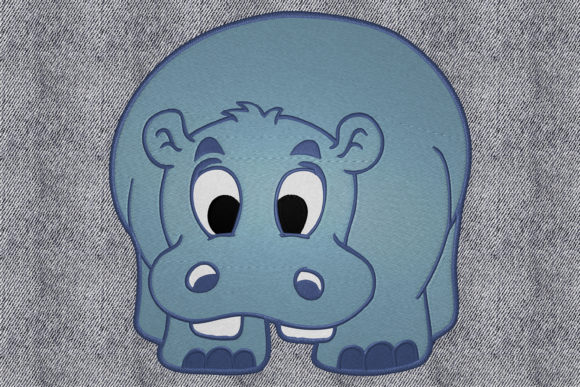
As an embroidery designer preparing for a weekend craft fair, my first task is to evaluate each design not just for its artistic merit, but for its practical selling power. When I look at the Hippopotamus machine embroidery design, my immediate impression is that it leans toward a bold, cute, and slightly rustic character. It’s not overly farmhouse or minimalist; it feels decorative and approachable, with a premium handmade quality potential. This is a solid starting point for the Animals category.
Where This Hippopotamus Stands Out on the Booth Table
Visual appeal at a craft fair is about contrast and clarity. Customers notice designs that are easy to understand at a glance. The Hippopotamus, with its likely distinctive shape, should perform well as a focal point. I envision it shining on products where its form can be central and uncluttered.
For my table display of embroidered tote bags, aprons, tea towels, caps, and pillow covers, I would prioritize this design on a few key items. A tote bag design or a market bag offers a large, flat canvas, making the hippo a charming, eye-catching graphic. On an apron embroidery, placed centrally, it becomes a fun, personality-driven feature. As an embroidered patch, it could be incredibly versatile—sell it alone or apply it to a fabric pouch for a quick, giftable handmade item.
Practical Production: From Digital File to Finished Product
This high-quality embroidery design comes with multiple embroidery file formats, which is crucial for my various machines. Before I stitch anything for sale, my process is rigorous.
First, I always test on scrap fabric. I need to see how the stitch density behaves on different materials. Is it too dense for a lightweight tea towel, potentially causing puckering? Or does it stitch beautifully on the textured surface of a towel, adding to that rustic charm? I check thread contrast carefully, especially if I plan to offer it on dark fabric—some designs lose clarity if details are too fine.
Hoop size is a critical production consideration. I assess whether the Hippopotamus works best as a large statement or can be scaled down to a small accent for a cap’s curved surface or a sleeve. Tiny details or small lettering, if present in the design, can vanish at smaller sizes, so I must inspect that closely. Using the correct stabilizer for each fabric texture—like a sturdy canvas for a bag versus a softer cotton for a pillow cover—is non-negotiable for professional results.
Batch Production and Online Sales Readiness
For a small shop product, repeatability matters. Does this design feel repeatable for batch production? If it stitches cleanly and consistently without excessive thread changes or tricky jumps, it’s a winner. I also consider brand consistency; if my booth has a playful, animal-themed vibe, the Hippopotamus fits perfectly.
Photography for Etsy listings and printable mockups is next. A design with clear, defined shapes photographs well. I would create at least one real mockup—a finished pillow cover or tea towel embroidery—to photograph in natural light. This showcases the true handmade product quality and texture, far better than a digital preview. Comparing the design on different fabric colors in my mockups helps customers visualize options.
The Business Case: Customer Attention and Product Value
A design like Hippopotamus affects buyer engagement directly. At a fair, a child might point at it, or an adult might connect it to a favorite animal or a memory. That moment of recognition boosts attention. Embroidered on a high-quality item, it increases the perceived product value. A simple cotton tote becomes a special, giftable handmade item with this charming addition.
For commercial embroidery and digital sellers, the provided multiple file formats are a key asset. Before any production, I must confirm the commercial licensing terms for this digital embroidery file. Can I legally use it to produce and sell finished products at scale? This is a step I never skip.
Careful-Use Notes for the Hippopotamus Design
- Dense stitch areas might require lighter fabric weights or careful stabilizer choice to prevent distortion.
- If the design includes intricate details, consider using it primarily on larger products like pillows or tote bags where those details remain clear.
- On curved surfaces like caps, test a reduced size first to ensure the design’s integrity is maintained.
- Always compare thread colors to your fabric choices. A good contrast is essential for the design to pop and for customer satisfaction.
My final judgment? The Hippopotamus embroidery design has strong potential for craft fair products. Its appealing subject matter and the promise of multiple file formats make it a versatile design asset. By strategically placing it on products where its form is prominent and by meticulously managing the production steps—from testing stitch density to confirming licensing—this design can become a reliable, engaging part of my booth display and my online shop, driving both customer delight and sales.