Sombrero Hat: An Embroidery Designer's Craft Fair Review
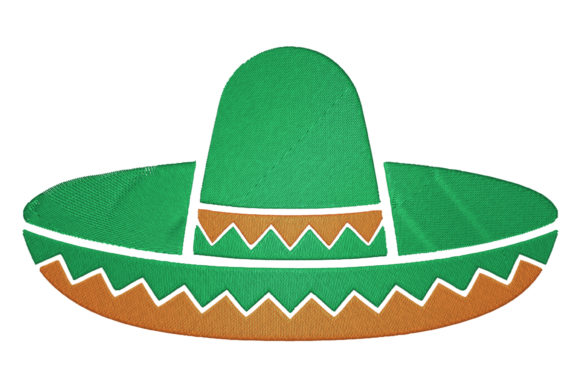
As an embroidery designer preparing products for a weekend craft fair, every design needs to earn its place on the table. When reviewing the Sombrero Hat machine embroidery design for my handmade market products, my first impression is festive, bold, and distinctly decorative. This isn’t a subtle, minimal motif; it’s a statement piece that evokes a sense of celebration and cultural flair.
Where This Design Stands Out on the Sales Table
The Sombrero Hat immediately feels like a design that commands attention. In a booth filled with embroidered tote bags, aprons, tea towels, and pillow covers, its strong, recognizable silhouette will catch eyes from a distance. For craft fair sellers, this visual punch is crucial. Customers browsing quickly need to understand a product’s appeal in a glance, and this design achieves that.
My real-world scenario involves creating a cohesive yet varied display. I see Sombrero Hat shining on specific products. As a large, focal design on a simple canvas market bag or a cotton apron, it feels premium and handmade, elevating a basic item. On a tea towel, paired with a vibrant fabric color, it becomes a fun, functional kitchen accessory. Stitched as a standalone embroidered patch, it offers versatility for buyers and a quick, profitable product for me.
Product Pairings That Maximize Sales Potential
Not every design works on every surface. For Sombrero Hat, I’d focus on products where its shape can be celebrated without compromise.
- Tote Bags & Market Bags: A bold application. The design’s scale makes the bag feel custom and valuable.
- Aprons: Centered on the chest or pocket, it creates a cheerful, thematic kitchen apron perfect for gift-giving.
- Pillow Covers: A single, centrally embroidered Sombrero Hat on a linen pillow cover leans into a rustic, decorative home aesthetic.
- Embroidered Patches: This is a high-margin, low-production-time item. Customers love patches for customization, and the clear design translates perfectly.
- Fabric Pouches & Caps: On a curved cap surface, careful hooping and stabilizer choice are key, but the result is a unique, themed accessory.
I would likely avoid shrinking it down for tiny accents on complex textured towels or items where dense stitch areas might clash with thick fabric. Its strength is in being a centerpiece.
Practical Production Notes for the Selling Maker
Turning a digital embroidery file into a profitable craft fair product requires practical testing. The description notes it comes in multiple embroidery file formats, which is essential for using different machines. Before batch production, I follow a strict checklist.
- Test on Scrap Fabric: First, stitch the Sombrero Hat on the actual materials I plan to use—canvas for bags, cotton for towels. This reveals how stitch density interacts with fabric texture.
- Check Thread Contrast: On darker fabrics, thread color choice is paramount. A bright, contrasting palette will keep the design sharp and visible.
- Review Hoop Size & Stabilizer: The design’s intended scale matters. A larger hoop size for a bag means one pass; a smaller hoop for a patch might require repositioning. Using the correct stabilizer prevents puckering, especially on stretchy or thin fabrics.
- Create a Real Mockup: Never rely solely on a printable mockup for an Etsy listing or booth sample. Stitch one finished product. This reveals the true handmade quality, informs photography, and becomes your best sales tool.
- Compare Fabric Colors: How does the Sombrero Hat look on cream linen versus a red tea towel? Different backgrounds change the mood from rustic to festive.
These steps ensure the finished product feels professional and durable, which directly increases perceived value and customer engagement at your booth.
Photography and Batch Production Considerations
For online sellers, how a design photographs is as important as the stitch itself. Sombrero Hat, with its clear shape and likely bold colors, should photograph well for Etsy listings and social media. It’s visually easy to understand in a thumbnail, driving clicks.
For batch production, the design’s repeatability is good. It’s a single, cohesive motif without overly intricate, tiny details that might vary between runs. This consistency is vital for brand consistency and efficient preparation for a fair. However, always confirm the commercial licensing terms of the embroidery design file before selling finished products, as noted in the description.
Final Judgment: A Strong Contender for The Festive Booth
The Sombrero Hat embroidery design is a strong contender for makers targeting customers looking for decorative, giftable, and thematic handmade items. It boosts booth display strength by adding a pop of cultural celebration to your product mix. Its visual appeal is direct, which speeds up buyer decision-making at a busy fair.
In summary, this design works best when treated as a focal point on medium to larger products. Its success hinges on practical embroidery designer diligence: testing, stabilizing, and choosing complementary fabrics and threads. For embroidery business owners and creative entrepreneurs looking to add a festive, bold option to their lineup, the Sombrero Hat offers a clear path to a attractive, sellable craft fair product.