Sorry Not Sorry Patch: A Designer's Review
As an experienced embroidery designer, I am always scanning for designs that strike the perfect balance between attitude and wearability. When I first encountered the Sorry Not Sorry Patch on Creative Fabrica, I immediately visualized it on a collection of neutral sweatshirts and oversized hoodies. This machine embroidery design is not just a simple text element; it carries a distinct visual personality that can elevate a boutique brand from generic to memorable. In this review, I will share my professional perspective on how this embroidery file performs when applied to real-world apparel projects.
First Impressions: Visual Mood and Personality
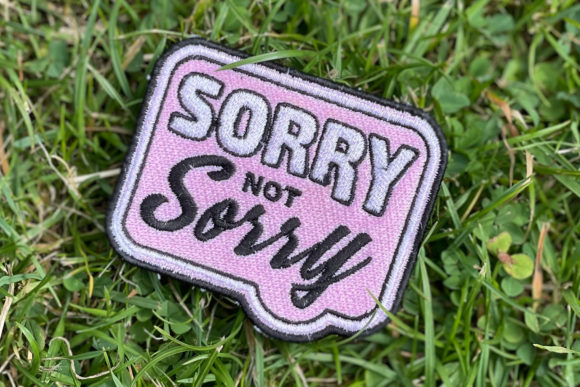
The moment you open the Sorry Not Sorry Patch, the mood is set. It feels bold, playful, and undeniably trendy. Unlike stiff corporate lettering, this design exudes a casual confidence that resonates with modern fashion sensibilities. The stitching density appears balanced, offering enough substance to look premium without becoming too heavy or rigid for soft fabrics. Whether you are aiming for a cute, feminine aesthetic or a more rustic, streetwear vibe, this Shapes category design offers a versatile foundation.
The decorative strength of the patch is its strongest asset. It is designed to stand out as a focal point, making it ideal for chest placement where it catches the eye immediately. The typography suggests a sassy yet approachable tone, which is perfect for lifestyle product photos and social media graphics. For an Etsy seller or small clothing brand, this kind of character is essential for building a unique brand identity that customers can recognize instantly.
Applying the Design to Boutique Apparel
I have been planning a small sweatshirt and hoodie collection for an online shop, and the Sorry Not Sorry Patch fits seamlessly into this vision. Here is how I see it performing across different garment types:
- Sweatshirt Embroidery: On a classic crewneck sweatshirt, this design adds a layer of personality without overwhelming the wearer. The texture of the fleece complements the raised stitches beautifully.
- Hoodie Chest Placement: Placing the design on the left chest creates a subtle but confident statement piece. It works exceptionally well on pastel hoodies, where the contrast makes the text pop without being aggressive.
- Oversized Garments: For oversized tees and hoodies, the scale of the patch feels natural. It does not get lost in the drape of the fabric, ensuring the message remains clear.
- Denim Jackets and Tote Bags: I envision this machine embroidery design looking fantastic on a distressed denim jacket or a canvas tote bag. The durability of the stitches ensures it holds up against daily use, adding value to the finished product.
Strategic Use on Various Surfaces
When designing for commercial embroidery products, versatility is key. The Sorry Not Sorry Patch can be adapted for sleeve accents, creating a cool detail on the cuff of a long-sleeve shirt. For back designs, it could serve as a smaller, secondary logo that reinforces the brand message. On cozy seasonal outfits, like winter beanies or scarves, the design adds a touch of whimsy that buyers love for holiday gifting.
For digital sellers, this design is also valuable for printable mockups. You can visualize how the thread colors interact with different fabric textures before committing to production. This helps in creating accurate listings for your handmade product store, ensuring customer expectations match the final result.
Where to Exercise Caution
While the design is robust, there are specific areas where an experienced embroiderer must exercise care. Small chest placements require precision; if the hoop size is too small, the design might get distorted on curved surfaces. Dense stitch areas need proper stabilizer support to prevent puckering, especially on stretchy fabrics like jersey or ribbed cuffs.
On dark garments, thread color contrast becomes critical. If the background is black or navy, lighter threads might get lost unless a high-density underlay is used. Tiny lettering details within the patch should be inspected closely to ensure they do not merge together during the stitching process. Areas that may stretch or wrinkle, such as the side seams of a tight-fitting tee, should be avoided to maintain a professional presentation.
Impact on Brand Value and Customer Trust
In the world of custom apparel, the quality of the embroidery directly affects buyer trust. A poorly executed design can make a boutique brand look amateurish, while a well-placed embroidery file signals professionalism. The Sorry Not Sorry Patch, when stitched correctly, enhances product recognition and visual consistency across your catalog.
Customers who purchase items with high-quality embroidery often perceive them as higher value. This perception leads to better reviews and repeat business. By using a design that conveys a strong personality, you engage customers emotionally, turning a simple t-shirt into a statement piece. This engagement is crucial for small shop products competing in a crowded marketplace.
Practical Notes for the Embroidery Designer
Before running a batch of orders, I recommend following these practical steps to ensure success:
- Test on Scrap Fabric: Always run a test stitch on a scrap piece of the same material you plan to use for the final product. This helps you gauge how the fabric reacts to the needle and thread.
- Check Stabilizer Choice: Depending on whether you are working with fleece, denim, or cotton, the correct stabilizer is vital. A cut-away stabilizer is usually best for stretchy fabrics to maintain shape over time.
- Review Thread Color Contrast: Select thread colors that offer high visibility against your garment color. Don't be afraid to experiment with metallics or variegated threads for a unique look.
- Confirm Hoop Size: Ensure your hoop is large enough to accommodate the entire design without cutting off any elements. Adjust the digitization if necessary for smaller hoops.
- Inspect Stitch Density: High-density areas can cause the fabric to pucker. Check the stitch count and density settings in your software to ensure even coverage.
- Verify Licensing: Before selling finished apparel, check the Creative Fabrica product details and licensing terms. Confirm that your commercial use rights cover the specific volume of items you intend to produce.
If specific details like exact stitch counts or file formats are missing from the product description, I advise readers to contact the creator or download a trial version to inspect the file structure before mass production. This due diligence protects your reputation and ensures a smooth workflow.
Final Thoughts
The Sorry Not Sorry Patch is a standout addition to any digital embroidery library. Its blend of attitude and style makes it a go-to choice for apparel decorators looking to create trendy, high-quality pieces. Whether you are an Etsy seller, a creative entrepreneur, or a boutique owner, this design offers the flexibility to adapt to various seasons and trends. By paying attention to placement, fabric selection, and stabilization, you can transform this digital asset into a tangible, profitable product line that customers will love.