Spring Butterfly Embroidery Design Review
As someone who’s spent years preparing products for craft fair booths, I look at every new embroidery design with two questions: Will it sell? And can I produce it reliably? Let’s evaluate the Spring Butterfly design from that practical, in-the-trenches perspective.
First Impression: Decorative, Soft & Premium
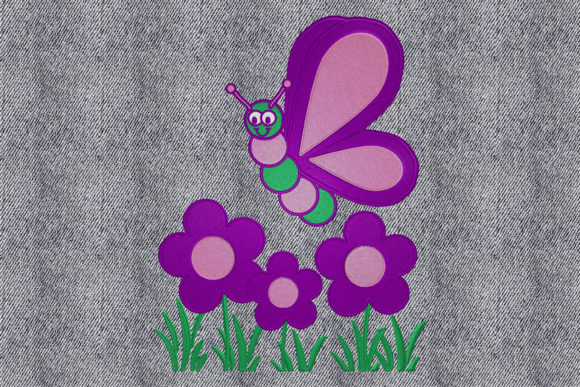
The title Spring Butterfly suggests a design that leans toward decorative and elegant, rather than bold or rustic. This is a key selling mood. For craft fair customers browsing handmade goods, this evokes a sense of seasonal freshness, gentle beauty, and a premium touch. It doesn’t scream “funny” or “farmhouse,” but instead feels like a soft, modern accent. That mood is versatile. It can attract customers looking for a giftable item, something to beautify their home, or a subtle personal accessory.
Where Spring Butterfly Would Stand Out at a Booth
Imagine your table display: tote bags, aprons, tea towels, caps, pillow covers, and small pouches. The Spring Butterfly design has the potential to shine on specific items.
- Tote Bags & Market Bags: As a focal design on the front of a light-colored canvas tote, this would be instantly eye-catching. The spring theme connects with seasonal shopping.
- Pillow Covers: This is a classic and strong application. A single butterfly embroidered on a linen pillow cover looks handmade and premium, increasing perceived value.
- Tea Towels & Aprons: For kitchen textiles, it acts as a beautiful decorative accent. On an apron, placing it on the chest pocket area creates a focal point without overwhelming the garment.
- Small Pouches & Giftable Items: This is where I believe Spring Butterfly could be a star. Embroidered on a simple fabric pouch for holding jewelry or trinkets, it turns a utility item into a gift. Customers at fairs often seek these smaller, affordable, yet special handmade products.
- Embroidered Patches: As a patch, it offers flexibility. However, its success depends entirely on the clarity of detail at a reduced size.
Practical Production & Selling Points
Turning a digital embroidery file into a profitable craft fair product requires careful planning.
Design Scale & Clarity
We must consider how the Spring Butterfly performs at different sizes. Is it a small accent or a large focal design? Based on the description, it likely has details that need space to be appreciated. Testing is crucial. Stitch density and tiny details can become problematic on textured fabrics like towels or on curved surfaces like caps. On dark fabric, thread contrast is vital for visibility. Always test the design on scrap fabric first, especially if you plan to use it on items like caps or dark-colored tote bags.
Photographing for Online Listings & Booth Samples
For Etsy sellers and small shop owners, how a design photographs is critical. A butterfly design with clean lines and good contrast should photograph well for online listings and printable mockups. Creating at least one real mockup product—like a pillow cover or pouch—is essential for your booth. It shows quality and texture that a digital image can’t. This handmade quality boosts buyer engagement at your fair table.
Batch Production & Consistency
For commercial embroidery to supply a weekend fair, repeatability matters. Does the Spring Butterfly design have consistent stitch areas that allow for efficient batch production? High stitch density in areas can increase production time and thread usage. Before batch-producing tote bags or aprons, review the stitch density and confirm the hoop size required. Using the right stabilizer for each fabric type—like a sturdy stabilizer for a tote bag and a lighter one for a tea towel—will ensure every product looks sharp, maintaining your brand consistency.
Careful-Use Notes for the Embroidery Designer
A professional review always includes caution points. The product description mentions it comes with multiple embroidery file formats, which is excellent for compatibility. However, specific details are not provided, so you must check them.
- Always confirm commercial licensing before selling finished products at a craft fair or on Etsy.
- Check the exact hoop size requirements. A design meant for a large hoop may lose clarity if reduced for a small pouch.
- Inspect the stitch density in the design files. Dense areas on thick fabric like sweatshirts may require adjustments to prevent puckering.
- Compare fabric colors with suggested thread colors. A spring butterfly on a pastel fabric might look soft and elegant, but on a bright white, it could appear more graphic.
- For items like caps or curved pouches, the design’s registration and spacing are key. Test on the actual product surface.
The Final Booth Display Strategy
In a real-world craft fair scenario, I would leverage the Spring Butterfly design’s mood to create a cohesive display. Place the embroidered pillow covers alongside the matching tea towels to suggest a home decor set. Hang the tote bags prominently, as they are large and easily noticed. Group the small pouches together in a basket; their giftable nature encourages multiple sales. The butterfly design, being seasonal and visually pleasant, can attract attention from a distance if placed on larger items.
The value of a machine embroidery design like Spring Butterfly for handmade market products lies in its adaptability. It can be scaled for different products, and its theme is universally appealing. By focusing production on items where it performs best—like pillow covers, light-colored tote bags, and gift pouches—you maximize its selling potential. Always remember: the best craft fair products are those that look beautiful in person, feel high-quality to the touch, and can be produced reliably so you have enough stock for a busy weekend market.