Wild Cat Head: A Design Review for Real Projects
First Impressions: A Bold Statement for Handmade Goods
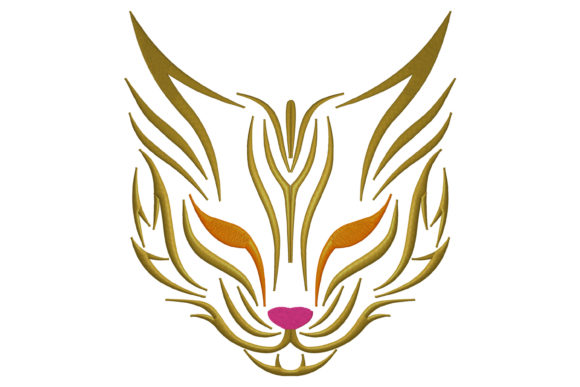
Opening the Wild Cat Head embroidery file, my first thought is that this isn’t a shy design. It has a confident, almost graphic quality that immediately suggests a certain kind of project. The layout feels solid and well-balanced, with a focus on the cat’s face that creates a striking central motif. This isn’t a cutesy kitten; it’s a design with a bit of wild personality, which I appreciate. That visual character makes it feel destined for items where you want a bold, clear statement—think a heavyweight sweatshirt, a sturdy canvas tote bag, or a statement pillow in a modern living space.
The detail level looks manageable for most machine embroidery setups. There’s a nice mix of areas that would use fill stitch for the solid parts and likely some satin stitch or running stitch for outlines and finer details. This balance is key for achieving good stitching clarity without overloading the fabric. The theme, obviously being a Cats design, taps into a massively popular niche, but this specific “wild” interpretation feels more like an emblem or a logo. It would resonate with customers who love animals but want something with a stronger, more artistic edge than a typical pet portrait.
Where This Design Shines in Practical Use
I’m picturing this on a charcoal grey crewneck sweatshirt. The contrast would be excellent, and the design’s size and shape would sit perfectly on the left chest or center back. For a craft business or Etsy seller, that’s a straightforward, sellable custom apparel item. It also has the potential to become a core design asset for a small brand centered around nature or feline themes.
Wild Cat Head would be equally compelling on a simple cotton tote bag. The graphic nature lends itself to handmade product branding—it could function as the signature logo on a line of small shop products. I’m also thinking about a baby’s blanket or nursery decor item for a family with a love for big cats; it’s a more unique choice than typical nursery patterns and could make a memorable personalized gift. As an embroidered patch, it would hold its own, with clear edges and defined features that wouldn’t blur into the background.
For holiday embroidery or wedding gifts, you could lean into its emblematic quality. Imagine it on a set of premium kitchen towels for a cat-loving friend, or monogrammed with a small initial below it on a personalized product. The design carries a weight that feels special, not generic, which directly boosts the perceived product value and giftability.
A Note on Placement and Fabric Choices
This is where a designer’s practical judgment comes in. While the design appears versatile, I’d be cautious on very small hoop sizes. If the file is scaled down too much, those potentially denser fill areas could become a problem, leading to puckering on thin fabric or stretchy fabric like lightweight tees. It’s likely happier on stable fabrics: cotton twill, denim, canvas, or good-quality sweatshirt fleece.
Dark fabric is a fantastic canvas for this, but you must pay close attention to thread color contrast. A test run on scrap material is non-negotiable here to see how the chosen thread palette pops. On curved surfaces like caps, the solid central shape should work well, but you’d need to ensure your stabilizer choice is robust to handle the curve. For items needing frequent washing, like apparel, the stitch integrity looks promising, provided the stitch density isn’t excessively high in any one section.
The design’s strength—its bold, graphic form—also means you should avoid contexts where it might get lost among other decorative accents. It’s a focal point, not a subtle background element. Using it on a layered garment with many other designs would dilute its impact.
The Professional Impact: Beyond the Stitches
Using a design like this in your commercial embroidery work or for your handmade presentation does more than just decorate a product. It communicates a level of choice and curation. When a customer sees this on a sweatshirt in your Etsy listing or at a craft fair, they’re seeing a defined aesthetic. That builds customer trust and brand consistency. It tells them you select designs with a purposeful visual personality, which in turn drives buyer engagement.
For digital product sellers offering the file itself, or for creators using it in printable mockups to preview products, the clean, strong lines of Wild Cat Head will show well even in digital previews. This clarity is crucial for selling the idea of the finished product before it’s even stitched.
Essential Designer Checks Before You Hoop
My final thoughts always revolve around preparation. With any new embroidery file, especially one you plan to use for client work or to sell, your process matters.
- Always test the design on scrap fabric first, using the same material and stabilizer you intend for the final project.
- Run it on both light and dark background scraps to judge thread color contrast in real conditions.
- Inspect the file for any extremely small details that might need tweaking for your specific hoop size.
- Confirm the stitch density feels appropriate for your target fabric—you can often feel this during the test stitch.
- Check the provided embroidery file formats for compatibility with your machine. The product description notes multiple formats, which is excellent, but always verify.
- If you’re creating products for sale, explicitly confirm licensing before selling finished items. Understand the terms for personal and commercial projects.
Wild Cat Head strikes me as a robust, aesthetically sharp design that can anchor a range of products. Its success in a real embroidery project will hinge on that thoughtful pairing with the right fabric and purpose. Approach it with a designer’s eye for context, and it will reward you with a clean, professional result that adds real character to your work.