A Practical Review of the Do Not Disturb Door Hanger Applique
As a professional embroidery designer, I constantly evaluate digital embroidery files for their real-world application. When considering a design like the Do Not Disturb Door Hanger ITH Applique from Creative Fabrica for a customer project, my primary concern is its performance on actual fabric and its impact on the finished product. This isn't a generic description; it's an honest evaluation from the perspective of someone who might stitch this onto a tote bag, sweatshirt, or pillow cover destined for a craft fair or an Etsy shop.
First Impressions: Mood and Application
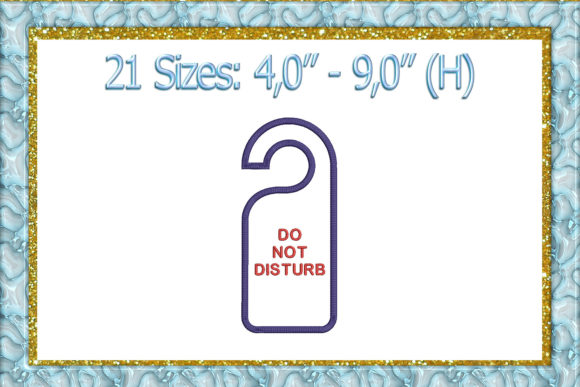
The Do Not Disturb Door Hanger ITH Applique immediately strikes a clear, functional, and decorative mood. It's a classic concept rendered for machine embroidery, and its success hinges on the execution of details like the lettering and the hanger shape. This design naturally fits projects centered around personal space, relaxation, or hospitality—think nursery decor, guest room pillows, or spa-themed boutique merchandise. Its appeal is straightforward, making it a strong candidate for a quick-turn personalized gift or a staple item in a handmade shop focusing on home goods.
The visual personality will depend heavily on your thread choices. On a dark fabric like a navy sweatshirt, a bright satin stitch for the lettering could pop beautifully. On a light fabric, like a kitchen towel or baby blanket, it could offer a crisp, clean look. The decorative appeal is inherent to its message; it's a product that communicates its function clearly, which is excellent for product photography and customer engagement in online listings.
Performance on Real Projects and Fabrics
Let's move beyond the screen and imagine this design in the hoop. For a real customer order, I would consider several key factors.
Small Details and Fabric Challenges
The phrase "Do Not Disturb" likely involves small lettering. This is a critical area to test. Tiny satin stitch letters can be tricky on textured fabrics like some tote bag materials or on stretchy fabrics like sweatshirt fleece. A proper, sturdy stabilizer is absolutely non-negotiable here, as mentioned in the product description. Dense stitch areas in the applique components or the hanger itself could also pose challenges on curved surfaces like caps, potentially leading to puckering if not managed correctly.
For projects intended for frequent washing, such as aprons or kitchen towels, the integrity of these small stitches after multiple washes is paramount. A well-digitized file with appropriate stitch density will hold up, but this must be verified by testing on scrap fabric first. I would strongly advise running a test on a similar fabric to your final project, especially checking the small details after stitching and ensuring thread color contrast is sufficient for readability.
Versatility Across Product Types
The design's application is broad. It could be charming as a small patch on a baby item, a central motif on a pillow cover for nursery decor, or a bold statement on a custom apparel item like a hoodie. For Etsy sellers and small business owners, this versatility is valuable. One embroidery file can generate multiple product lines: tote bag designs, sweatshirt embroidery, and handmade gifts for various occasions. It could also be used in printable mockups to showcase product concepts before production.
Affecting Product Value and Customer Trust
Using a clean, well-executed embroidery file like this directly impacts your product's perceived value and customer trust. A design with crisp lettering and smooth satin stitch borders presents a professional, high-quality handmade product. This enhances brand consistency for creative entrepreneurs selling a line of home-themed goods. For giftability, a perfectly embroidered "Do Not Disturb" door hanger on a pillow cover feels thoughtful and well-crafted.
In product photography, a design with clear visual appeal and no technical flaws (like loose threads or distorted lettering) makes your listings more attractive. It signals to potential buyers that you pay attention to detail, fostering trust and engagement. Whether for craft fair products or boutique merchandise, the finish quality of the commercial embroidery work is often the deciding factor for a customer.
Practical Considerations Before Hooping
Before committing this design to a final project, here are the essential steps I take:
- Test on Scrap Fabric: Always embroider the Do Not Disturb Door Hanger ITH Applique on a scrap of your target fabric first. This reveals any issues with stitch density, small lettering readability, or stabilizer needs.
- Check Hoop Size: While the product description didn't specify a hoop size, you must confirm the required size in the actual embroidery file details on Creative Fabrica. Ensure it fits your machine capabilities and your product's dimensions. A design meant for a 4x4 hoop might be perfect for caps, but you'd need a larger hoop for a pillow.
- Compare Light and Dark Mockups: Visually plan your thread colors. How will the design look on light versus dark fabric? Sometimes a design needs a slightly different color palette for optimal contrast on different backgrounds.
- Inspect File Details and Licensing: Crucially, review the full product page on Creative Fabrica for the specific file formats, machine compatibility, and license terms. This is especially important for commercial embroidery and selling finished items. Never assume the licensing; always confirm it.
Final Thoughts for Embroidery Designers
The Do Not Disturb Door Hanger ITH Applique is a conceptually solid embroidery design for the house category. Its worth downloading depends entirely on your specific project needs and your due diligence. If your niche involves home decor, personalized gifts, or apparel with clear messages, this digital embroidery file could be a useful asset.
Its real-world performance will be determined by your embroidery skills and preparation—using the proper stabilizer, needle, and quality thread as advised. For professional results on custom apparel, tote bags, or other commercial embroidery products, that preparation is everything. This design has the potential to create a clean, attractive finished product that adds value to your handmade offerings, provided you approach it with the practical caution and testing that any experienced embroidery designer applies to a new file.