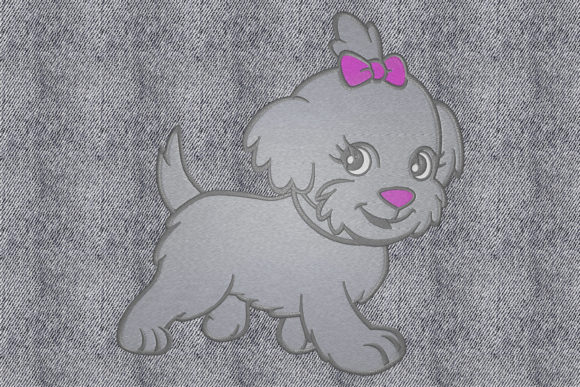
Testing the Little Dog Embroidery Design for Real Projects
As an embroidery designer who creates products for sale, I approach every downloadable design with a critical eye. It’s not just about how cute it looks on the screen; it’s about how it stitches out on fabric, how it holds up on finished goods, and whether it adds genuine value to my handmade items. When I came across the Little Dog embroidery design on Creative Fabrica, I decided to evaluate it as if I were preparing for a real customer order. Here’s my honest take on whether this machine embroidery design is a practical asset for your workflow.
First Impressions: Decorative Appeal and Project Fit
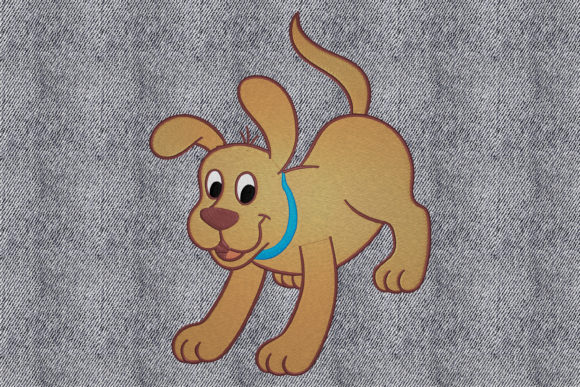
The design immediately conveys a friendly, whimsical mood. It’s not overly complex, which suggests it would stitch cleanly and be versatile. This dogs category design has a personality that feels suited for gifts and everyday decor. I visualized it on a child’s baby blanket, a cozy pillow cover, or as a sweet accent on a kitchen towel or apron. For small business owners, this decorative appeal translates directly into product photography and customer engagement—it’s a design that tells a simple, positive story.
Performance in Real Embroidery Work
For commercial embroidery and handmade products, a design must perform reliably across different applications.
Custom Apparel and Everyday Items
I considered Little Dog for a range of typical projects: tote bags, sweatshirts, caps, and embroidered patches. Its style suggests it would work well on custom apparel intended as a personalized gift. The design likely uses fill stitch and satin stitch areas to create the form. On a curved cap surface or textured fabric, the stitch density would be a key factor to check—too dense can cause puckering, especially on stretchy fabric.
Small Details and Fabric Considerations
Always test on scrap fabric first. For a design like this, I would pay close attention to any potentially tiny lettering or layered details, as these can be challenging on dark fabric or with low thread contrast. Using the proper stabilizer is non-negotiable, especially for items like sweatshirts or baby items that need frequent washing. A clean stitch-out ensures the finished product maintains its quality and visual appeal over time.
Affecting Product Value and Buyer Trust
The quality of your embroidery directly impacts your brand’s trustworthiness. A well-executed Little Dog design on a product elevates its handmade presentation. For Etsy sellers and craft fair vendors, this contributes to brand consistency and giftability. A customer looking at a beautifully embroidered tote bag design or baby item perceives higher value. This digital embroidery file, if it stitches cleanly, becomes a reliable asset for creating products that photograph well and engage customers.
Practical Notes for a Smooth Process
- Before running the embroidery file, always check the product details on the Creative Fabrica page for confirmed hoop size requirements and included file formats.
- Do a test on scrap fabric identical to your project fabric.
- Review stitch density in your software if possible; adjust if needed for delicate fabrics.
- Check thread color contrast—compare light and dark fabric mockups mentally before stitching.
- Inspect small details after stitching to ensure clarity.
- For any commercial embroidery or selling of finished items, confirm file details and licensing on the Creative Fabrica product page to ensure your usage is compliant.
Is Little Dog Worth Using for Your Projects?
The ultimate question for any Creative Fabrica embroidery design is its return on investment in time and material. Based on its visual mood and likely application, Little Dog appears to be a solid candidate for decorative, gift-oriented projects. It seems designed for efficiency and charm, not overwhelming detail. For apparel decorators, small business owners, and creative entrepreneurs looking for a dependable, appealing design asset, this could be a worthwhile addition to your library—provided you follow the standard precaution of testing it first in your specific context.
Its strength would be in enhancing products where a touch of handmade warmth is the selling point: a pillow cover in a boutique, a sweatshirt embroidery for a small shop, or a handmade gift for a nursery. By ensuring proper technique—hooping, stabilizer, thread selection—you can transform this digital embroidery file into a finished product that builds customer trust and supports your creative business.